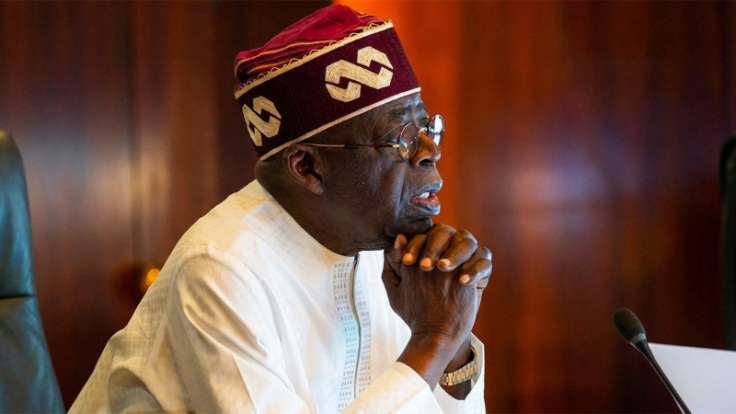

The Coordinating Minister of the Economy and Minister of Finance, Mr. Wale Edun
The Coordinating Minister of the Economy and Minister of Finance, Mr. Wale Edun, has said that the rising public debt stock in Nigeria of about N152 trillion reflects adjustments in the exchange rate and not reckless borrowing.
He spoke at the Nigerian Economic Summit Group, NESG, 2026 Macroeconomic Outlook in Lagos.
He stressed that the administration of President Bola Tinubu had choosen transparency in every accounting system.
According to him, “Nigeria’s total public debt stands at N152 trillion, just over $100 billion. N30 trillion previously recorded as Ways and Means has now been transparently recognised, while exchange rate adjustments account for much of the remaining increase, not new borrowing.
“Despite fiscal pressures, salaries, pensions and debt service have been paid. That underscores our commitment to discipline and transparency,” he said.
On the performance of the 2025 Budget, Edun noted that Nigeria’s fiscal position showed resilience despite global headwinds and domestic constraints. “The fiscal deficit stood at 3.4 per cent of GDP in 2025, slightly above the Fiscal Responsibility Act threshold, reflecting ongoing adjustment efforts,” he said.
According to him, revenue performance remained constrained largely by shortfalls in oil and gas receipts, but non-oil revenue recorded improvements.
“Fiscal federalism reforms have strengthened the financial position of states, many of which are now running budget surpluses exceeding three per cent, enabling greater spending on health, education and public services,” he added.
Edun said the administration’s economic reforms, has delivered macro-economic stabilisation and positioned the country for consolidation.
“After more than two years of implementing transformative and politically difficult reforms, Nigeria is now at the threshold of consolidation,” he said.
“But consolidation demands resolve, discipline and policy consistency. Nigeria cannot afford to retreat or pause.”
On investor confidence, Edun said Nigeria’s reforms are yielding positive signals globally. “We were well received at the World Bank Annual Meetings. Nigeria has exited the FATF grey list and has just been removed from the European Union’s list of high-risk third countries. Credit rating agencies have also responded positively,” he said.
Edun said there was significant improvements of Nigeria’s capital market, describing it as a critical pillar for growth financing.
“We have seen improvements in trade balance, foreign exchange reserves and stock market capitalisation, now approaching $500 billion, an important threshold for global market credibility,” he said.
“Capital markets will increasingly play a central role in mobilising domestic savings and financing growth, enabling Nigerians at all levels to invest productively,” he added.
Looking ahead, Edun said government projects economic growth of about 4.68 per cent in 2026, with inflation averaging 16.5 per cent and the exchange rate benchmarked at N1,400 to the dollar.
He said the 2026 Budget, titled ‘Budget of Consolidation, Renewed Resilience and Shared Prosperity,’ reflects President Bola Tinubu’s commitment to translating macroeconomic gains into “food availability, electricity, housing and employment.”
“The task ahead is immense, but so is our resolve,” Edun said. “We will not retreat from economic transformation. Our responsibility is to translate stability into inclusive, job-rich growth that delivers for every Nigerian.”
Reacting to the comment by the Minister of Finance, Oluropo Dada, the 13th President, Chartered Institute of Stockbrokers, CIS, said: “Based on available issuance of data, the Federal Government has raised over N7 trillion from the FGN bond market alone in the last two years, excluding Treasury bills.
“At the same time, budget documents show a persistently widening fiscal deficit, which by definition must be financed through a combination of borrowing, asset drawdowns, or exceptional revenues. In practice, the scale of the deficit suggests that new borrowing has played a material role, even if part of the increase in headline debt reflects exchange-rate revaluation and the formal recognition of previously unrecorded obligations.
“While it is valid to acknowledge the impact of naira devaluation on foreign currency debt and improvements in classification and transparency, the data indicates that government operations over the last two years would have been difficult to sustain without fresh domestic borrowing.
“The key issue, therefore, is not whether transparency reforms occurred, they are welcome but whether fiscal sustainability risks are increasing as borrowing continues amid weak revenue growth. Clear reconciliation between deficits, borrowing sources, and debt outcomes remains essential to maintain market confidence.”
About the Author