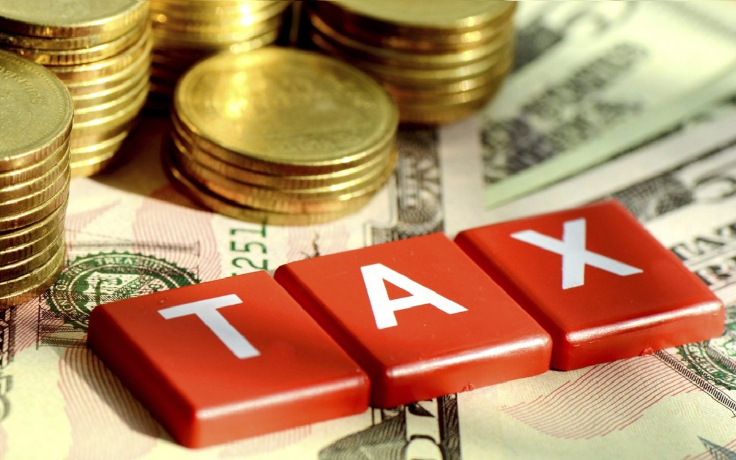
Following the introduction of the new tax law in Nigeria, opposition figures have warned that the policy would deepen hardship and trigger severe and untold social and economic consequences.
They have been agitations in some quarters to thrash the policy but the president on Wednesday, rejected calls for the suspension of President Bola Tinubu’s recently-signed tax reform laws, insisting the legislation was “unstoppable” and would take effect from January 1, 2026.
Special Adviser to the President on Information and Strategy, Bayo Onanuga, said the reforms had already been passed by the National Assembly and endorsed by the President.
He said, “The law has been passed by the National Assembly. It has been endorsed by the President.
“The law is unstoppable. By January 1, 2026, the implementation will begin. This development will harmonise most of our multiple taxes and it also excludes the low-income workers from being taxed,” he added.
Onanuga described the reforms as “revolutionary,” arguing that the new regime would enhance tax revenue for the benefit of Nigerians, while dismissing calls for suspension as inconsistent with “right-thinking Nigerians.”
He said, “But some people are saying that it should be implemented? You can see that they are not on the same page with right-thinking Nigerians.
“It is a revolutionary law that will enhance our tax revenue with the benefits of all nigerians. For them to say we should not implement, it’s too late to raise objection. The law as it stnds today is unstoppable.
His response came as the National Opposition Movement demanded the immediate suspension of the tax plan’s implementation, warning that forcing it through would worsen the living conditions of Nigerians.
Addressing a press conference on Wednesday at the Yar’Adua Centre, Abuja, the NOM spokesperson, Chille Igbawua, said Nigerians were already struggling with poverty, unemployment and rising living costs, insisting the new tax regime would be punitive.
The NOM, a coalition of citizens drawn from various opposition parties, said it monitors policies affecting Nigeria’s security, economy and overall prosperity under the Tinubu administration, while advocating national liberation and transformation.
President Tinubu recently signed four major tax reform bills into law, marking what the government has described as the most significant overhaul of Nigeria’s tax system in decades.
The laws include the Nigeria Tax Act, the Nigeria Tax Administration Act, the Nigeria Revenue Service (Establishment) Act and the Joint Revenue Board (Establishment) Act, all operating under a single authority, the Nigeria Revenue Service.
The reforms are designed to simplify tax compliance, expand the tax base, eliminate overlapping taxes and modernise revenue collection across federal, state and local governments.
The laws are scheduled to take effect on January 1, 2026, following a six-month transition period for public education and system alignment.
However, the reforms have continued to attract mixed reactions nationwide.
Reacting, Igbawua described the planned implementation as “shocking” and “punitive,” arguing that Nigerians are already struggling to meet basic needs.
“This new tax plan must not take off now. Its implementation must be suspended immediately. This is not tax reform; it is a weapon fashioned against the economic wellbeing and social security of suffering Nigerians,” he said.
“You cannot tax hunger. You cannot tax poverty. And you cannot tax people into prosperity. Since coming to office, President Tinubu has shown that his priorities are not with ordinary Nigerians but with a few oligarchs tied to his economic and political interests.”
About the Author