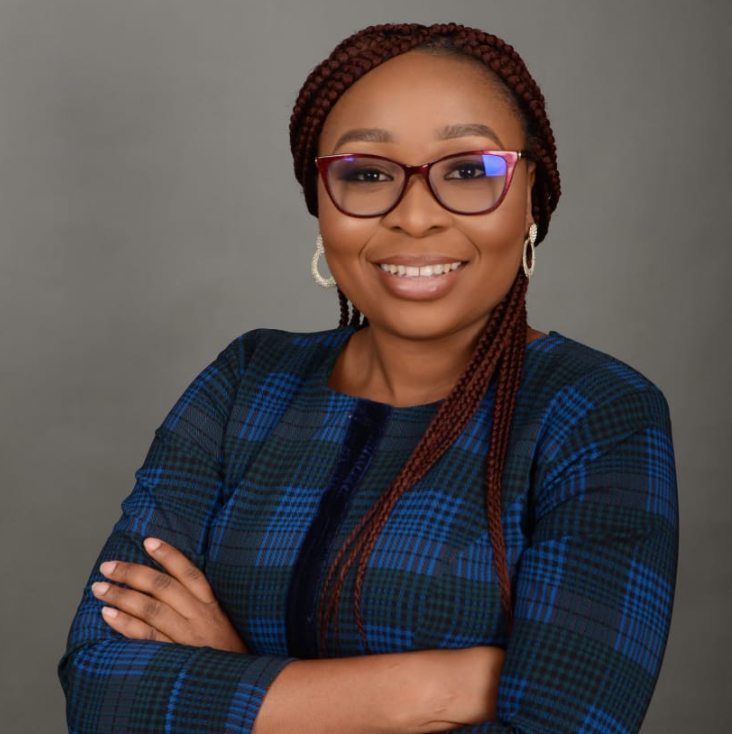
Head, Marketing & Communications, Junior Achievement Nigeria, Tobiloba Olaosun
by Tobiloba Olaosun
“I want the post taken down. My consent was not sought to confirm whether I was comfortable having my image integrated into an AI platform.” This was feedback we received from a stakeholder, and it took significant engagement and explanation to bring the situation under control.
There’s an assumption people make: that because AI is widely embraced, everyone is automatically comfortable with how their information is used on it. That assumption can create unnecessary risk.
Let’s settle this – AI is not inherently problematic. However, the way images are uploaded, transformed, repurposed, or shared through AI tools raises important questions about consent, privacy, ownership, and responsible use. Once an image is uploaded to a platform (particularly if it’s not premium), there is a risk it could be extracted, manipulated, or used in ways you never intended.
My experience has made me reflect on how frequently people and brands use AI to create designs for speaking engagements, birthdays, campaigns, events, and other communications. A necessary question to ask before prompting an AI platform with someone’s image is: “Did I get their consent to use their image this way?”
It is easy to say, “They probably won’t mind,” particularly when we know the person or have worked with them before. But familiarity is not consent, and proximity does not remove the need to seek permission.
Before uploading or transforming someone’s image using an AI tool, you should ask these:
1. Consent: Has the person explicitly agreed to their image being used with AI?
2. Purpose: Does their consent cover the specific purpose for which the image will be used?
3. Transformation: Have they agreed to their image being altered, enhanced, styled, or transformed?
4. Platform: What are the terms and conditions of the platform?
5. Context: Could the transformation create an unintended, misleading, or uncomfortable representation of the person?
6. Documentation: Where necessary, do we have a record of the consent provided?
7. Right to object: What happens if the person later asks for the image to be removed?
If you cannot confidently answer “yes” to the relevant questions, pause before uploading the image.
In a corporate environment, responsible communication requires us to consider how our actions may be perceived by the individual, organization, and wider audience. In the development sector, where we work extensively with young people, communities, partners, and other stakeholders, the responsibility is even greater. We must ensure consent is documented and can be traced for evidence.
So, before you upload someone’s image into an AI tool or use AI to transform their appearance, pause and confirm that you have the appropriate consent to do so.
AI can help us create faster and differently; however, it’s our responsibility to ensure that innovation does not come at the expense of people’s rights, dignity, or trust.
Tobiloba Olaosun is a Marketing and Communications professional with 7+ years of experience in brand strategy, corporate communications, media relations, and digital storytelling. She leads Marketing & Communications at Junior Achievement Nigeria and is passionate about responsible communications, technology, AI, corporate reputation, and social impact.
About the Author