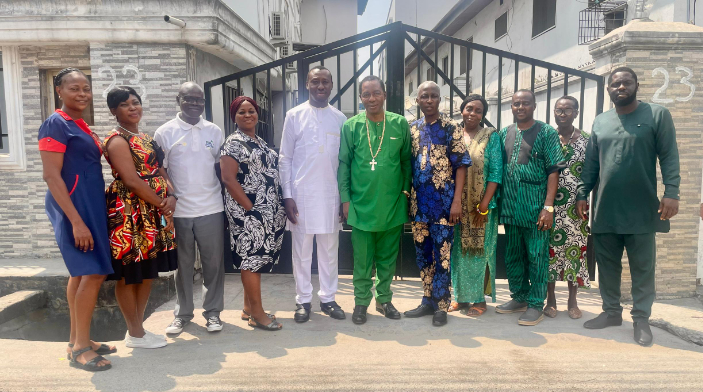
Bishop Charles Ighele, the General Superintendent of Holy Spirit Missions, (Happy Family Centre) has advised journalists to embrace digital platforms, artificial intelligence (AI) and build personal influence to stay relevant in the evolving media landscape.
He, however stressed the need for early retirement plan as a journalist, citing the decline in earning capacity with age in the media industry.
Speaking at the 2026 Christian Faith Reporters Association (CFRA) annual training and retreat in Lagos, tagged, ‘The Future of Faith Reporting in Nigeria: Threats, Opportunities and Relevance’ Bishop Ighele emphasised the need for journalists to diversify their income streams and build alternative sources to ensure financial stability in retirement.
According to him, “social media has come, and it has become a major force. If you don’t position yourself well, you can become irrelevant. You must understand what your employer allows. Are you permitted to run a podcast? Can you operate a personal counselling page? If there is a threat, you must learn to operate within it.
“Right now, it is about influence. You must make a name for yourself beyond what you are doing officially,” he said, urging journalists to stay proactive and creative within professional and ethical boundaries.
Addressing career sustainability, the cleric, who serves as the CFRA BoT Chairman stressed the importance of planning for retirement from the very first day on the job.
“The day you start working is the day you should start preparing for retirement. The older you get, the less energy you may have to make money. Diversify and build something you can rely on after your career ends because only a few employers can cater for the future of journalists; old age can be terrible if not adequately planned for.”
In his keynote address, Mr. Wale Fatade, Commissioning Editor of The Conversation Africa, re-echoed the message on retirement plan while underscoring the critical need for integrity and punctuality in the business of journalism.
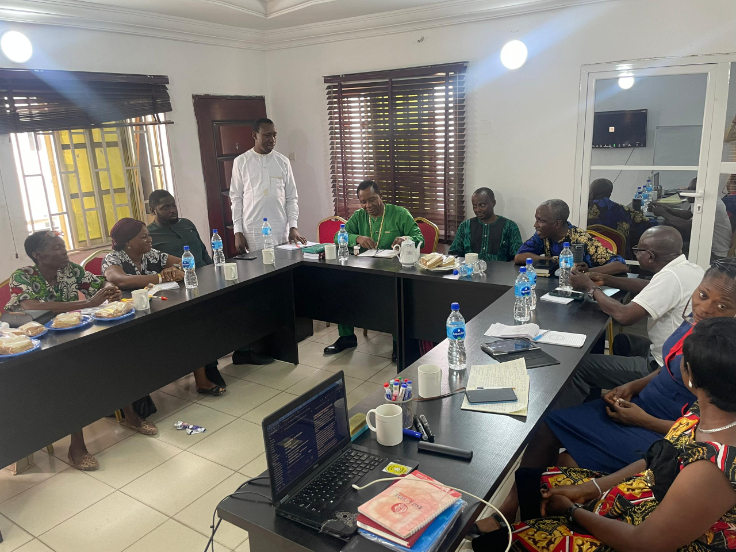
Fatade urged reporters to navigate their biases carefully and avoid sensationalism, noting that journalism is a team effort and that ethical practice speaks louder than formal qualifications.
He said, “When your journalism career is over, can you say you have not collected money to write or change a story? Whatever you report, be careful of your personal biases because journalism Is about balance; avoid sensationalism in your reportage.”
Fatade who called on journalists to shun immediate gratification, urged reporters to diversify their skills by learning indigenous languages such as Yoruba, Igbo, and Hausa, to stay relevant in the industry.
He said, “Read very widely. Stay on top of your game. Be credible, honest and have a high sense of integrity and shun immediate gratification as you do your job. Ensure you network because no one succeeds in life alone.”
Reflecting on his decades-long career, Fatade stressed the significance of early financial and professional planning. “You should be able to live well more than twenty years after retirement based on your plan,” he said.
He recounted his own retirement preparations, including the establishment of a Yoruba community radio station in Osun State aimed at supporting him and his family post-retirement.
In his presentation, A media consultant and Project Manager at the International Press Centre, Sanmi Falobi urged the participants to embrace deliberate goal setting as a pathway to building successful and sustainable careers.
Falobi who spoke on ‘Sustainability: journalist survival tips,’ said goal setting remains a critical ingredient for professional growth in the media industry.
He challenged participants to carry out honest self-evaluation by identifying their strengths and weaknesses.
“You must celebrate your strengths and address your weaknesses frontally,” he advised, noting that personal development requires intentional effort and continuous improvement.
In view of the changing media landscape and economic realities, he stressed that journalists should not rely solely on traditional newsroom salaries but explore other legitimate opportunities that align with their skills and expertise.
Earlier, CFRA President, Adeola Ogunlade, described the retreat as a critical moment for reflection and recommitment.
He said, “the gathering serves as a moment of reflection, renewal, and recommitment,” emphasizing how Christian faith reportage affects national unity, public trust, and the moral compass of society.
He urged journalists to resist sensationalism, uphold truth, and report with balance, courage, and compassion.
“The future of Christian faith reporting will be shaped by how well we respond to emerging threats: misinformation, economic pressure, digital disruption, and declining trust, while boldly embracing opportunities for impact and relevance,” he said.
Looking ahead, he challenged CFRA members to ensure the association becomes a credible, trusted voice in Nigeria’s media space, leaving a lasting legacy for future generations of Christian faith reporters.
About the Author