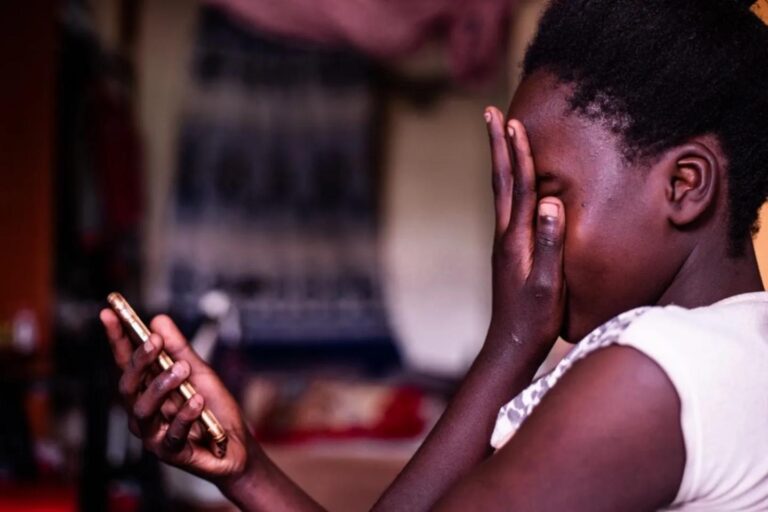

Nigeria has been recorded as the leading country in Africa with 8,587 diphtheria cases.
The case has resulted to over 884 deaths between the period of January 1 and November 2, 2025.
This report was obtained from the World Health Organisation on Sunday according to the Punch.
The WHO report showed that Nigeria continues to account for the highest number of diphtheria cases in the African region.
It was gathered that hundreds of suspected cases identified and reported by Disease Surveillance and Notification Officers over the last three months have strained health facilities, exposing critical gaps in treatment capacity and vaccine coverage.
The WHO said, “Nigeria continues to report the highest number of diphtheria cases in the African region.
“From January 1 to November 2, 2025, 12,150 suspected cases have been reported, with 8,587 confirmed and 884 deaths (CFR 7.2 per cent).”
The global health body noted that confirmed cases have been detected across 240 Local Government Areas in 30 states, with most of the cases clinically diagnosed.
“Only three per cent were confirmed by laboratory testing,” it stated.
The report revealed that children and adolescents remain the most affected demographic, with low vaccination coverage fueling transmission.
“In Nigeria, more than two million children are under-immunised, including those with zero doses, highlighting the high risk of further spread.
“Reactive campaigns have been conducted in Imo, Kaduna, and Lagos, targeting health workers and priority populations.
“The outbreak overlaps with areas targeted by the Big Catch-up initiative. Challenges include delayed laboratory confirmation, poor Infection Prevention and Control practices, limited information, education and communication materials, and vaccine shortages,” WHO highlighted.
It further said that discussions with Gavi, the Vaccine Alliance, are ongoing to secure additional support.
“According to WHO/UNICEF Estimates of National Immunisation Coverage in 2024, the estimates show 71 per cent coverage for the first Diphtheria, Tetanus, and Pertussis dose and 67 per cent for the third,” it added.
Algeria reported a diphtheria outbreak in Skikda province in October 2025 with 13 suspected cases, eight confirmed, and two deaths, mostly affecting unvaccinated individuals.
From January 1 to 2 November 2, 2025, Chad recorded 4,462 suspected cases and 47 deaths, but only four were laboratory-confirmed due to diagnostic limitations.
Guinea has reported 476 suspected cases and 123 deaths since June 2025, with human-to-human transmission concentrated in the Siguiri district in the Kankan region.
“The outbreak has affected four of 38 prefectures (11 per cent), with human-to-human transmission concentrated in the Kankan region, particularly in Siguiri district, which accounts for over 80 per cent of reported cases and fatalities,” WHO stated.
Mali reported 430 suspected cases and 29 deaths across seven regions, with rapid expansion from three to 30 affected districts within six weeks.
Between January and November 2025, Mauritania reported 849 suspected cases, 318 confirmed, and 33 deaths, mainly affecting children and adolescents aged five to 19 years.
Niger recorded 1,926 suspected cases and 122 deaths across 34 health districts, with most cases in Agadez, Diffa, and Zinder regions.
South Africa has reported 106 diphtheria cases, including 66 confirmed respiratory infections and 37 asymptomatic carriers affecting five provinces, with the Western Cape most impacted. Immunity gaps, limited antitoxin supply, and outbreaks among vulnerable groups, such as inmates, are complicating response efforts.
“In 2025, from January 1 to November 2, a total of 20,412 suspected diphtheria cases, including 1,252 deaths (an average case fatality ratio [CFR] of 6.1 per cent), have been reported across eight Member States in the WHO African Region (Algeria, Chad, Guinea, Mali, Mauritania, Niger, Nigeria, and South Africa). Of these suspected cases, 9,864 (48.3 per cent) have been confirmed through laboratory testing, epidemiological linkage, or clinical diagnosis. Laboratory confirmation was conducted for 5.7 per cent (n = 1,177) of the suspected cases.
“Women, children aged five to 18 years, and young adults under 30 years are the most affected, confirming that the immunity gap extends well beyond early childhood. The situation has further deteriorated in Mali, Mauritania, and Niger in recent weeks, with increasing case numbers and geographic spread of the outbreaks reported in these countries.
“The resurgence of diphtheria across multiple countries in the WHO African Region constitutes a serious public health concern, which led to its grading as a grade two emergency under the Emergency Response Framework of WHO.
Timely case detection, coordinated response, and clinical management remain critical to limiting transmission and reducing the high fatality rates observed in recent outbreaks. However, response efforts are being hampered by a global shortage of DAT and limited laboratory diagnostic capacity,” WHO said.
The UN body emphasised that Effective diphtheria control demands a coordinated, multi-sectoral response that includes emergency management, laboratory confirmation, surveillance, clinical care with DAT and antibiotics, and strong infection prevention measures.
About the Author