
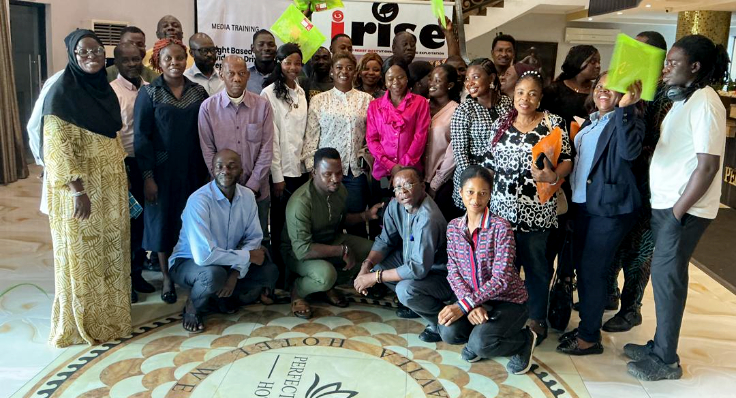
The Initiative to Resist Institutional Slavery and Exploitation (IRISE), a leading advocacy organization, has charged journalists and media houses to become agents of change by embracing responsible, ethical, and stigma-free reporting on Sexual and Reproductive Health and Rights (SRHR) and Gender-Based Violence (GBV) in the country.
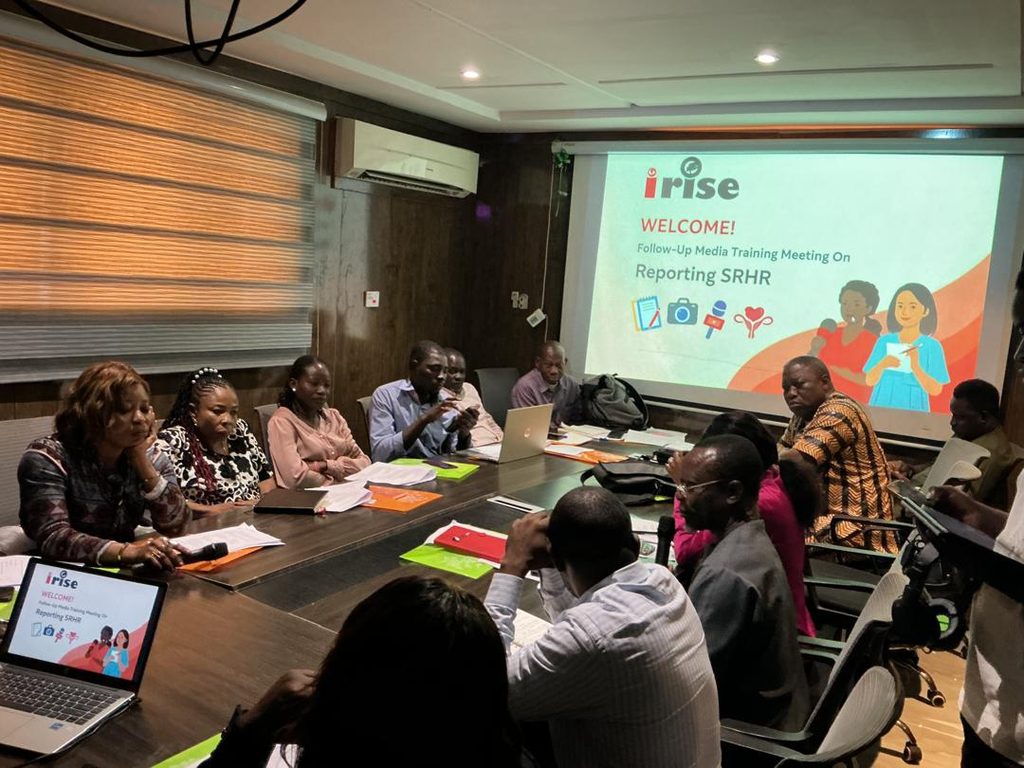
Speaking at a two-day media roundtable, held at, Perfecto La Villa Hotel, Lagos, the Executive Director of IRISE Omodele Ibitiye Ejeh, said the way stories of rape, teenage pregnancy, HIV, abortion, and domestic violence are framed in the newsroom directly shapes public opinion — and often determines whether survivors get justice or silence.
She said, “When we sensationalize GBV or shame survivors of SRHR issues, we deepen the stigma that already keeps millions quiet and suffering. The media holds the pen that can either break chains or tighten them,” emphasising the influential role of the media in shaping public opinion, attitudes and social norms.
According to her, “Journalists have a responsibility to ensure that the information they disseminate is supported by credible data and presented in ways that do not reinforce stigma or misinformation.
“We at IRISE understand the important role that media plays in shaping society. We understand the importance of training media and partnering with media personnel to look at how data for reporting is sourced and how evidence is being gotten to shape the reporting that is put out there.
“For us, we believe that the media are like prophets; they shape the narrative of ordinary people. As media, you have the power to either break the stigma or reinforce it. We are calling on you to choose to be the prophets of truth, dignity, and evidence.”
The roundtable was organised to assess progress made since the February training and examine some of the challenges that continue to affect media coverage of SRHR and GBV issues.
Ejeh disclosed that IRISE conducted baseline research before the initial training to examine how major media organisations reported issues relating to sexual and reproductive health and gender-based violence.
The assessment focused on three major areas: the tone of reports, the sources of information used, and the presence of stigma in reporting.
Citing a recent example, involving a report on contraceptives, she said, although the written content was accurate, the accompanying photograph conveyed a different and potentially misleading message.
In her words, “There was this reporting on contraceptives, not even abortion. The writings were accurate, but the picture was stigmatizing. The report was accompanied by an image of a heavily pregnant woman with the foetus visible in the womb, such an image could create confusion among readers because it does not accurately correspond with a story explaining the use of contraceptives to prevent unintended pregnancies.
“You are telling women to use contraceptives to prevent unintended pregnancies, but you have a heavily pregnant person in the picture. Ordinarily, a layman could look at it and say, ‘Are you telling me to take these drugs to abort this pregnancy?’ It sends a very, very negative message.”
The engagement also kicked against bias in journalism, particularly when reporters allow personal beliefs or moral perspectives to influence how sensitive issues are presented.
“Sometimes when we write, it’s just the way we are thinking. We put the way we are best thinking into our writings and it reflects our morals,” she said.
She, however, acknowledged the efforts of journalists to provide accurate and factual information, stressing that there is still a need for continuous professional development and research-driven reporting. “We want to see media that is both visible and responsible,” she added.
Speaking on the training, Ejeh said empowering journalist with the real information on reporting SRHR and GBV would help journalists gain improved access to credible data, relevant experts and appropriate visual resources for reporting SRHR and GBV.
She further stressed that responsible reporting on SRHR is essential because misinformation, inaccurate narratives and stigma can contribute to poor health outcomes, discourage people from seeking appropriate services and further silence conversations around gender-based violence.
At the roundtable, participants identified fact-checking and evidence-based reporting, responsible use of visuals, continuous training and retraining, and the need for content originality as key in SRHR and GBV reporting.
The organisation also called on editors and media managers to treat SRHR and GBV as important public health and human rights issues.

About the Author