Skin Bleaching
The Nigerian Association of Dermatologists, NAD, said skin bleaching has become a growing public health crisis in Nigeria, warning that the widespread practice is fueling series of health crisis, such as skin cancer, organ damage and severe infections across the country.
The skin experts raised the alarm at the launch of its nationwide anti–skin bleaching campaign in Lagos.
The association noted that the health risks associated with skin lightening far outweigh any perceived social or cosmetic benefits.
According to the President, NAS, Prof. Dasetima Altraide, “Skin bleaching is not just a cosmetic choice; it is a serious health risk with devastating complications.
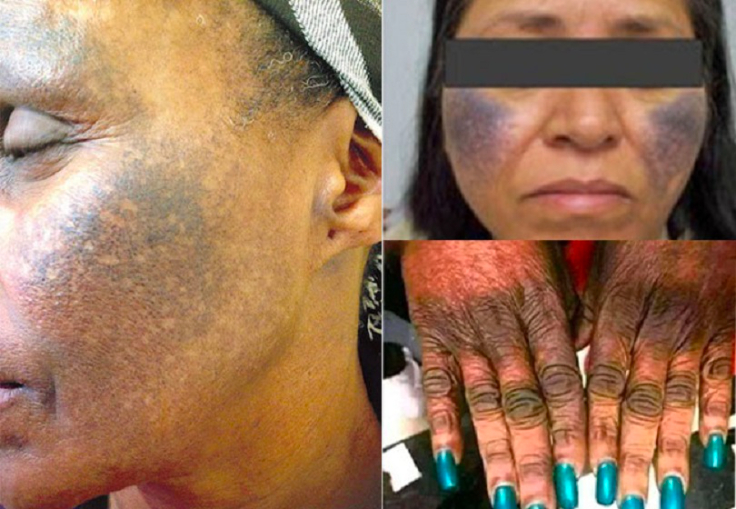
“We are seeing increasing cases of skin cancers, treatment-resistant fungal infections, permanent skin damage, allergies, and injury to vital organs such as the liver and kidneys.”
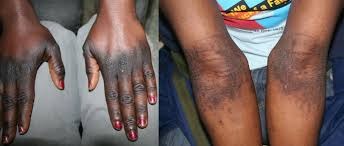
The campaign, themed “Embrace Your Skin,” was unveiled at the Lagos University Teaching Hospital (LUTH).
“Alarmingly, children and even unborn babies are now victims. There have been instances where pregnant women ingest substances in an attempt to lighten the skin of their unborn children, exposing them to toxic chemicals before birth,” Altraide said.
According to statistics presented by NAD, skin bleaching prevalence in Nigeria ranges between 40 and 84 per cent, based on data from the WHOAfro Region and iAHO (2023).
The figures have earned Nigeria the grim labels of “the world capital of skin bleaching” and “the skin-lightening hot house of the world.”
“Our mission is to educate, protect and empower Nigerians to embrace their natural skin tones,” Altraide said.
NAD commended regulatory efforts by the Federal Ministry of Health and NAFDAC, describing recent guidelines on cosmetic safety as “timely and critical” to protecting consumers.
Altraide urged pharmacists and regulatory agencies to restrict easy access to harmful bleaching agents.
“This is a clarion call to stem the epidemic of skin bleaching that has taken centre stage in our society,” he said.
Data from the World Health Organisation (WHO) and the NAD, show that skin bleaching prevalence in Nigeria ranges between 40 percent and 84 percent.
Nigeria consistently ranks first globally in the use of skin-lightening products. Research shows that 19.5 percent of mothers apply bleaching agents to their children under five, and 80 percent of children exposed were under two years old.
Skin bleaching remains deeply rooted in “colourism” the social preference for lighter skin.
But medical professionals warn of an increase in severe complications due to unregulated ingredients like hydroquinone, mercury, and high-potency steroids.
About the Author