
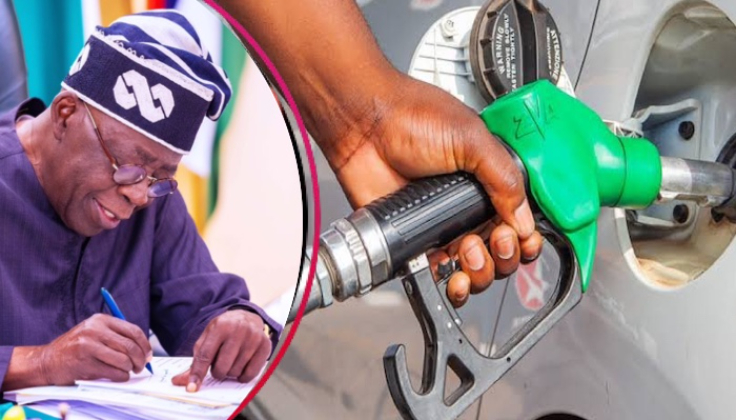
The Federal Government (FG) has suspended the planned 15 percent Value Added Tax (VAT) on imported Premium Motor Spirit (PMS) and Automotive Gas Oil (AGO), and diesel.
This was contained in a statement by the Nigerian Midstream and Downstream Petroleum Regulatory Authority (NMDPRA) and signed by it’s Director of Public Affairs, George Ene-Ita on Friday.
According to the statement, the decision became imperative to stabilize domestic supply and prevent unnecessary price escalation in the downstream sector.
Ene-Ita assured Nigerians of adequate petroleum supply sourced from local refineries and importers, stressing that the current stock level does not warrant scarcity, panic buying, or price increases.
“It should be noted that the implementation of the 15 percent ad-valorem import duty on imported Premium Motor Spirit and Diesel is no longer in view,” he said.
The FG had earlier approved the tariff as part of a new policy to encourage local refining, reduce import dependence, and align import costs with domestic production realities. The measure was scheduled for implementation on November 21, 2025, after a 30-day transition period.
However, the decision has drawn criticism from the Ogun State Chamber of Commerce, Industry, Mines and Agriculture (OGUNCCIMA), which warned that suspending the import duty could slow Nigeria’s progress toward energy self-sufficiency and weaken investor confidence in the refining sector.
Reacting to the announcement, OGUNCCIMA President, Lion Niyi Oshiyemi, described the suspension as a setback to economic reforms and a missed opportunity to protect local refiners, including the Dangote Refinery and modular refinery projects.
“The 15 percent fuel import tariff was a step in the right direction to promote local refining, conserve foreign exchange, and create a fair competitive environment for domestic producers. Its reversal sends the wrong signal to investors who have shown confidence in Nigeria’s energy sector,” he said.
Oshiyemi added that supporting domestic refineries would strengthen the naira, enhance job creation, and ensure long-term energy security.
He urged the Federal Government to reconsider the decision after consultations with stakeholders, stressing that consistent policy direction is essential to attract and retain private investment.
Oshiyemi maintained that the long-term gains including job creation, forex savings, and increased energy security far outweigh any temporary inconvenience.
About the Author